The Evolution of User Interfaces

The evolution of user interfaces traces a shift from explicit commands to subtle guidance. Early systems translated user intent into action through visible controls; modern designs rely on cues that respect autonomy while reducing cognitive load. Multimodal feedback integrates sight, sound, and context to speed decisions. The trajectory points toward ambient intelligence, yet transparency and control remain central. This balance invites scrutiny of how future interfaces will anticipate needs without eroding agency. The next step awaits.
What Is a User Interface, and Why It Matters
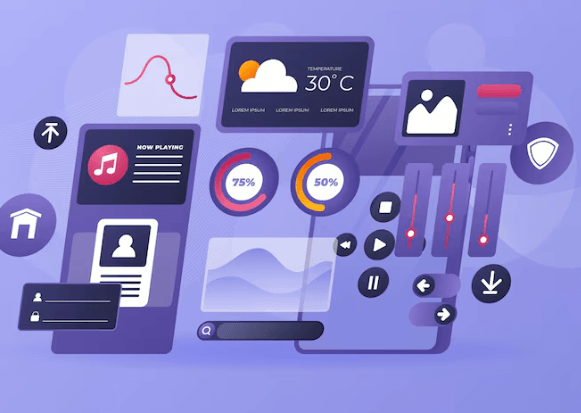
A user interface (UI) is the point of interaction between a human and a system, translating intent into action through visible controls, feedback, and information presentation.
The UI defines how users perceive functionality, guiding accurate task completion.
Definition clarity enables consistent expectations, while accessibility emphasis ensures inclusive use.
Rigorous evaluation confirms usefulness, reliability, and learnability, reinforcing user autonomy and freedom through transparent design decisions.
From Commands to Cues: The Shift Toward Intuitive Interfaces
The shift from command-driven interfaces to cue-based, intuitive interactions reflects an empirical response to how users naturally interpret and anticipate system behavior. Observers note measurable gains in efficiency and satisfaction through cue alignment, reduced cognitive load, and predictable feedback. Disappearing menus, tactile dashboards, autonomous prompts, and ambient assistants exemplify pragmatic design choices; they support freedom by preserving control while guiding action with subtle, reliable cues.
The Multimodal Era: Designing for Sight, Sound, and Context
In the multimodal era, interfaces integrate sight, sound, and contextual cues to support accurate perception, swift decision-making, and sustained engagement.
Empirical evaluation shows users benefit from synchronized multisensory feedback and explicit cues for intent.
Designers prioritize auditory cues and contextual awareness, enabling resilient performance amid distraction.
Interfaces adapt to individual workflows, fostering freedom through clarity, consistency, and perceptual relevance without unnecessary complexity.
The Future of Interfaces: AI, Ambience, and Everyday Workflow Integration
Ambience-driven interfaces leverage ambient cues and AI to anticipate user needs, reducing friction in daily workflows without imposing cognitive load.
This future emphasizes AI driven context sensing to personalize actions and recommendations, aligning tools with natural rhythms.
Ambient haptics integration signals status and intent through subtle feedback, supporting autonomy while preserving focus, efficiency, and mindful, freedom-centered exploration of evolving interaction paradigms.
See also: swiftrespond
Frequently Asked Questions
How Do Cultural Differences Shape UI Design Choices?
Cultural differences shape UI design choices by exposing regional UX norms, vernacular design, and gesture meaning, while language direction and color symbolism influence accessibility jargon and usability gaps; intergenerational tech and urban-rural access guide local interaction rituals, privacy expectations.
Can Interfaces Influence User Behavior Ethically?
Yes, interfaces can influence behavior ethically, provided ethics vs. manipulation is weighed and consent centric design governs interactions; empirical, user-centric methods document effects, ensuring freedom-driven choices while transparency guides users through principled, undistorted experiences.
What Role Do Accessibility Standards Play in Evolution?
Accessibility standards guide evolution by enforcing universal design, driving inclusive metrics, and ensuring regulatory compliance; they shape practical outcomes, prioritize user autonomy, and anchor empirical evaluation within a framework that respects diverse capabilities and freedoms.
How Do Developers Balance Novelty With Usability?
Developers balance novelty with usability by iteratively testing novel usability blends, measuring impact on efficiency and user empowerment, and ensuring visual consistency. This empirical approach assesses social impact, supports interaction creativity, and grounds design in user-centric, freedom-oriented evaluation.
Will Tactile Feedback Become Mainstream in Software Interfaces?
Tactile feedback will become mainstream in software interfaces, the evidence suggesting gradual adoption. A hypothetical smartwatch app demonstrates haptic patterns enhancing error recovery; studies show improved user satisfaction. Designers must quantify benefits, prioritize accessibility, and protect cognitive load.
Conclusion
The evolution of user interfaces demonstrates a shift from explicit commands to ambient support that respects user autonomy. Empirically, multimodal feedback reduces cognitive load while preserving control, enabling faster, more accurate decisions. Interfaces increasingly anticipate needs without overstepping transparency. Like a steady drumbeat guiding a collaborator, cues align with workflow, enhancing efficiency and satisfaction. A user-centric, rigorous approach—grounded in accessibility and clear expectations—frames a future where technology unobtrusively augments human capability rather than dictating it.