KYC and AML in Crypto Explained

KYC and AML are foundational in crypto, imposing verified identities and ongoing monitoring to curb illicit activity. The framework shapes onboarding, transaction scrutiny, and continuous risk assessment, with an emphasis on data minimization and privacy. Compliance must be auditable and governance-driven, balancing user autonomy with regulatory demands. This tension creates a measurable impact on investor confidence and ecosystem integrity, leaving questions about practical implementation and monitoring that compel further consideration.
What KYC and AML Mean for Crypto Today
KYC (Know Your Customer) and AML (Anti-Money Laundering) requirements shape how crypto services operate by mandating verified identities and ongoing monitoring to deter illicit activity.
The framework elevates risk awareness, emphasizing privacy implications and data minimization as design constraints.
Transparency obligations and auditability drive systematic controls, sampled governance, and traceable flows, while preserving user autonomy within compliant, accountable ecosystems.
How Compliance Shapes Onboarding and Transactions
Compliance shapes onboarding and transaction workflows by embedding verified identity checks, risk scoring, and continuous monitoring into every touchpoint.
The approach emphasizes privacy compliance and controlled data flows, ensuring legitimate activity while minimizing intrusive processes.
Regulatory metrics quantify risk exposure, incident response, and suspension timelines, guiding adjustments.
In practice, this fosters transparent, compliant customers’ journeys without compromising operational agility or personal autonomy.
Balancing Privacy, Security, and Regulations
Regulators expect auditable controls, documented rationales, and accountable governance, ensuring that privacy protections do not undermine systemic integrity or investor confidence.
Practical Frameworks: How to Evaluate KYC/AML on Exchanges and Projects
Could evaluators identify meaningful risk signals by applying a structured framework that assesses identity verification, transaction monitoring, and governance controls across exchanges and projects?
The framework analyzes compliance posture, risk scoring, and governance transparency, focusing on privacy controls and data minimization.
It emphasizes scalable due diligence, regulatory alignment, and ongoing monitoring, enabling prudent, liberty-respecting assessments without compromising innovation or user autonomy.
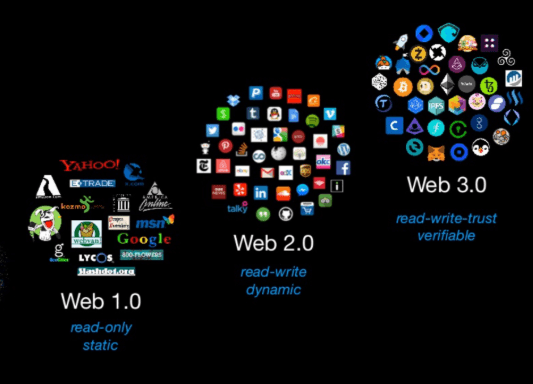
See also: The Evolution of Web 3.0
Frequently Asked Questions
How Do KYC and AML Differ in Crypto vs. Traditional Finance?
KYC differences arise from decentralized, global crypto flows, while AML challenges hinge on pseudonymity and cross-border tracing; regulators confront fragmented data and evolving tech. In traditional finance, centralized rails simplify compliance, yet risk manifests through established, slower controls.
What Are Real-Time Monitoring and Transaction Alerts in Crypto KYC?
Real-time monitoring in crypto KYC involves continuous surveillance of transactions, identifying suspicious patterns, and triggering immediate transaction alerts to risk teams, enabling rapid investigations, regulatory alignment, and proactive controls for freedom-loving operators navigating dynamic markets.
Can Users Opt-Out of KYC Without Penalties or Access Loss?
The feasibility of opting out varies by jurisdiction and platform; generally, opt-out feasibility exists only with penalties for non compliance and access restrictions. Regulators emphasize risk controls, while users seeking freedom must weigh compliance costs and penalties.
How Is Customer Data Stored and Protected Across Platforms?
Data minimization guides storage scope, while consent management governs disclosure across platforms, ensuring encryption, access controls, and audit trails; safeguards emphasize regulatory alignment, risk assessment, and user autonomy, preserving freedom with verifiable data retention and deletion policies.
What Enforcement Actions Occur for Non-Compliant Wallets or Exchanges?
A hypothetical exchange faced enforcement sanctions for non-compliance, illustrating stringent regulatory action. When wallets or platforms fail, compliance consequences include fines, service limitations, and license revocation, underscoring risk-focused oversight and the imperative for robust KYC/AML adherence.
Conclusion
In the ledgered dawn, KYC and AML stand as lighthouse keepers—rigid, patient, unblinking. The exchanges alight like ships guided by beacons, while private data drifts as wind between coves of privacy and risk. Compliance becomes the keel, steering through storms of illicit finance, with audits as compasses and governance as the oar. The sea of crypto remains vast; disciplined transparency ensures safe harbors, preserving trust, while safeguarding liberty within the harbor walls.